

frosted bathroom glass
Understanding the Pricing of Micrometers A Closer Look at the 0 to 25mm Range Micrometers are essential precision instruments used extensively in engineering, manufacturing, and scientific applications. They provide highly accurate measurements, typically in the range of millimeters or inches, allowing professionals to ensure that their components meet stringent specifications. One common type is the micrometer that measures from 0 to 25mm, a versatile tool for various tasks. However, understanding the pricing of these instruments is crucial for both professionals and hobbyists alike. Understanding the Pricing of Micrometers A Closer Look at the 0 to 25mm Range Professional-grade micrometers, often made from superior materials such as hardened steel and featuring advanced calibration techniques, can range anywhere from $50 to several hundred dollars. Brands like Mitutoyo, Starrett, and Brown & Sharpe are renowned for their high-quality micrometers, and their products typically reflect a premium price point. For instance, a Mitutoyo digital micrometer could easily exceed $100 due to its electronic readout and enhanced accuracy. micrometer 0 25mm price Another consideration in micrometer pricing is whether the tool is mechanical or digital. Digital micrometers, while generally more expensive, offer convenience through easy-to-read displays and often include features like data output capabilities. The ease of use provided by digital models can justify the higher cost for many users, especially those working in environments where precise measurements are critical. In addition to the initial purchase price, it is worthwhile to consider the long-term value of investing in a high-quality micrometer. Cheaper models might require replacement over time due to wear and tear, while investing in a more durable option can lead to cost savings in the long run, especially for those who rely on these tools daily. Moreover, factors such as calibration and accessories can also influence final costs. Regular calibration is essential for maintaining the accuracy of micrometers, and some vendors offer calibration services for an additional fee. Accessories such as protective cases, extension rods, or specialized anvils may also add to the initial cost. In conclusion, while the basics of a 0 to 25mm micrometer can be acquired at relatively low prices, quality and precision often come at a higher cost. Understanding these pricing dynamics is vital for anyone looking to purchase a micrometer, ensuring they select a tool that meets their specific needs without overspending. Whether for professional use or personal projects, careful consideration of the options available will ultimately lead to a more satisfying purchase.
about
frosted bathroom glass
Understanding Precision Granite Surface Plates An Essential Tool for Quality Control In the realm of manufacturing and engineering, precision measurements are crucial for ensuring product quality and performance. Among the various tools used for these measurements, precision granite surface plates stand out as essential instruments that provide a flat, stable working surface ideal for various applications. This article delves into the significance of granite surface plates, their characteristics, applications, and maintenance practices. What is a Precision Granite Surface Plate? A precision granite surface plate is a flat, smooth slab made from natural granite, which is used as a reference plane for measuring, inspecting, and aligning various mechanical components. The surface of the plate is ground and lapped to achieve an extraordinary level of flatness—often within thousandths of an inch. This high degree of accuracy is vital in calibration and measurement tasks, making granite surface plates a preferred choice in laboratories and manufacturing settings. Characteristics of Granite Surface Plates Granite is favored for surface plates due to its inherent properties, which include 1. Stability Granite is a dense, hard material that does not warp or distort over time, ensuring long-lasting accuracy. 2. Non-conductive Unlike metal plates, granite does not conduct electricity, making it safer for use in various environments, including those involving electronic components. 3. Corrosion Resistance Granite is resistant to scratches, chemicals, and heat, which helps maintain the integrity of the measuring surface even in demanding conditions. 4. Self-Damping Properties The natural characteristics of granite help to damp vibrations, resulting in more stable measurements. These features contribute to the reliability and precision of measurements taken on granite surface plates . Applications of Precision Granite Surface Plates precision granite surface plate Granite surface plates are utilized in a wide array of applications, including - Inspection and Quality Control They provide a reference plane for inspecting machined parts to ensure they meet specified tolerances and dimensions. - CMM (Coordinate Measuring Machines) Surface plates are often used in conjunction with CMMs, providing a stable base for scanning and measuring components accurately. - Setup for Machining Operations Engineers and machinists use granite plates to set up workpieces and fixtures, ensuring that they are aligned correctly before production. - Assembly In assembly processes, granite plates serve as flat surfaces for accurately placing multiple components for assembly. Due to their versatility, granite surface plates find applications in diverse industries, including aerospace, automotive, electronics, and precision engineering. Maintenance of Granite Surface Plates To extend the lifespan and maintain the precision of granite surface plates, proper care is essential. Here are some key maintenance tips 1. Cleaning Regularly clean the surface with a soft cloth and a mild soap solution to remove dust and debris. Avoid abrasive cleaners that could scratch the surface. 2. Avoid Contaminants Keep the surface free from oils, grease, and substances that could alter the flatness and integrity of the granite. 3. Proper Handling Always lift and transport the surface plate by its edges using appropriate techniques to prevent any drops or impacts that could cause chipping or cracking. 4. Calibration Checks Periodically check the flatness of the plate using precision leveling devices to ensure it remains within specification. Conclusion Precision granite surface plates are invaluable tools in the domains of measurement and quality control. Their inherent properties afford accuracy, stability, and resilience that are paramount in high-stakes environments where precision is non-negotiable. By leveraging the benefits of granite surface plates and adhering to sound maintenance practices, manufacturers can significantly enhance their operational efficiency and product quality. As industries continue to evolve and demand greater precision, the role of granite surface plates will undoubtedly remain central to effective manufacturing practices.
-

High quality industrial productsagement

High quality industrial products
View Details -

Meet the diverse needs of customers

Meet the diverse needs of customers
View Details -

Strict quality control

Strict quality control
View Details -

Top raw materials

Top raw materials
View Details -

Trusted supplier

Trusted supplier
View Details
Our application

news and information

welding inspection ruler
The Importance of Welding Inspection Rulers in Quality Control In the world of manufacturing and con
Vibration Reduction Pads
Anti-Vibration Pads A Revolution in Equipment Protection In the modern world, vibration is an inevi
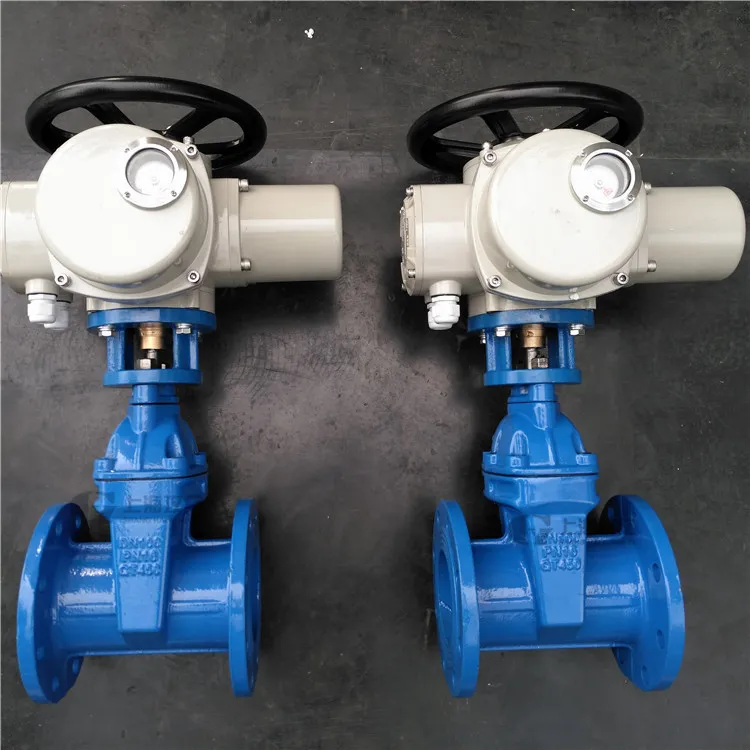
Válvula Globo de Alta Qualidade - Soluções Eficientes em Controle de Fluxo
Válvula de Globo de 2% Uma Solução Eficiente para Controle de Fluxo As válvulas de globo são compone
 English